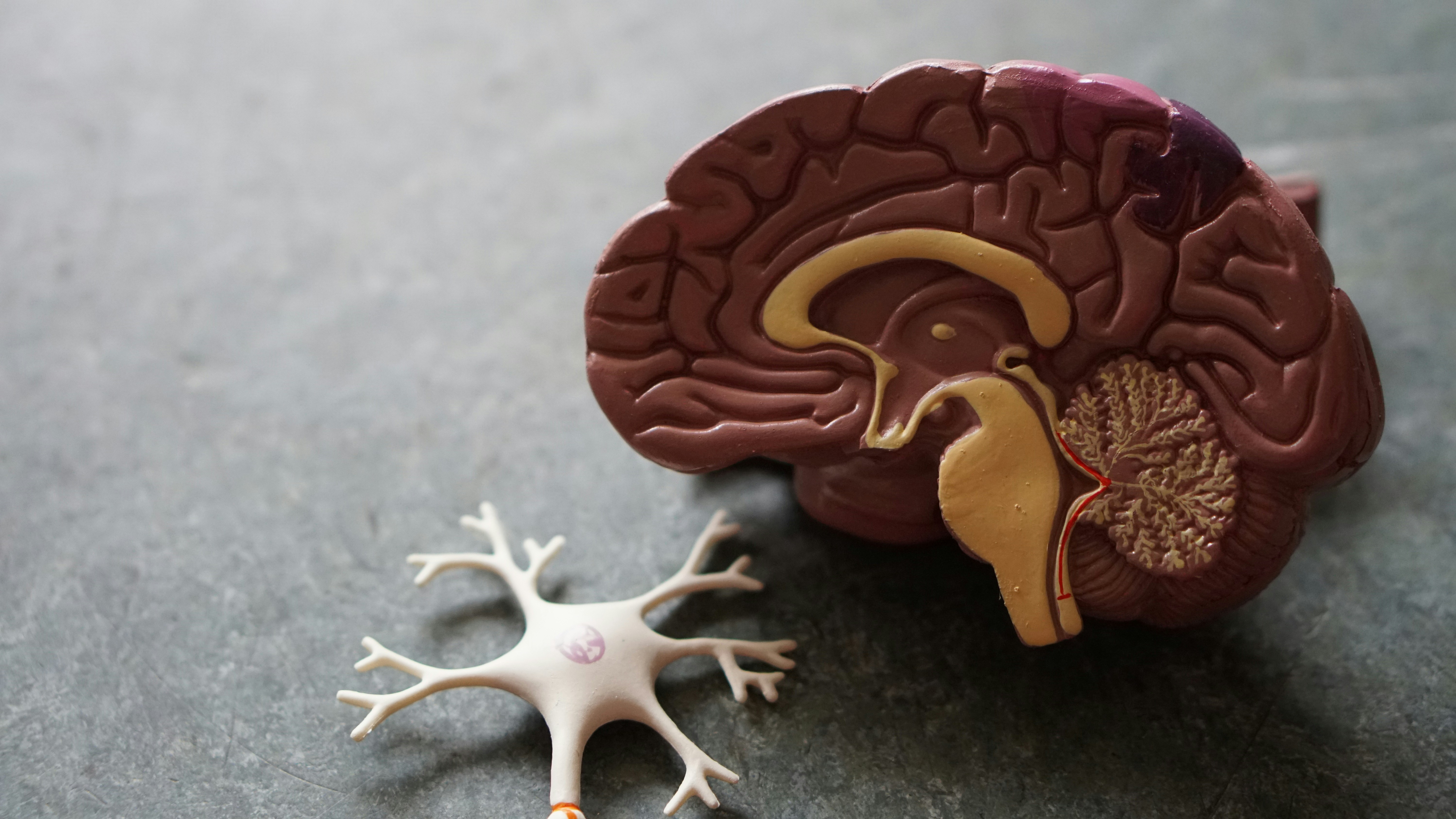
What if your hunger had very little to do with your stomach — and almost everything to do with your brain?
Most people think eating less is simply a matter of discipline. But modern science suggests something very different: appetite is largely controlled by complex brain mechanisms, not just physical hunger.
At the center of this system is a powerful hormone called GLP-1 (glucagon-like peptide-1), which plays a critical role in how your brain decides when to eat — and when to stop.
The Brain, Not the Stomach, Controls Hunger
Your brain acts as the master regulator of appetite, especially through a region called the hypothalamus.
This area constantly processes signals from your body to determine whether you need energy or should stop eating.
These signals include:
- Hormones released from the gut
- Blood sugar levels
- Nutrient availability
- Emotional and environmental triggers
This means hunger is not just physical — it is neurological, hormonal, and behavioral at the same time.
GLP-1: The Hormone That Talks to Your Brain
GLP-1 is released in your gut after eating, especially when you consume protein and certain carbohydrates.
But its most important role is not digestion — it’s communication.
GLP-1 sends signals directly to the brain that:
- Reduce appetite
- Increase satiety (feeling full)
- Slow gastric emptying
This creates a natural feedback loop that helps regulate how much food you consume.
The Dopamine Connection: Why You Crave Food

One of the most overlooked aspects of appetite is the brain’s reward system.
Highly palatable foods can stimulate dopamine, a neurotransmitter linked to pleasure and motivation.
This is why you may feel driven to eat even when you’re not physically hungry.
GLP-1 appears to influence this system by reducing the brain’s reward response to food, making it easier to control cravings.
Why Hunger Signals Sometimes Fail
In modern environments, appetite regulation can become disrupted.
Factors that may interfere with proper hunger signaling include:
- Ultra-processed foods
- Chronic stress (elevated cortisol)
- Poor sleep quality
- Gut microbiome imbalance
When this happens, the brain may continue to signal hunger even when your body has enough energy.
How This Leads to Belly Fat Accumulation
When appetite signals are dysregulated, it becomes easier to overeat without realizing it.
In some cases, underlying metabolic factors may also contribute to fat accumulation. To better understand this, explore: Slow Metabolism: Hidden Reasons Your Body May Struggle to Burn Fat
Over time, excess energy intake may be stored as fat — particularly in the abdominal region.
This is why managing appetite at the neurological level may be just as important as diet itself.
To understand how GLP-1 supports fat metabolism in more detail, explore this complete guide:
Best Natural GLP-1 Support Supplement for Weight Loss
Simple Ways to Support Natural Appetite Regulation
While this system is complex, some daily habits may help support it naturally:
- Prioritize protein intake
- Consume fiber-rich foods
- Maintain regular sleep patterns
- Reduce stress levels
These habits may help improve how your brain and body communicate.
You can also explore simple strategies that support fat loss here:
Daily Micro Habits for Belly Fat Loss

Final Thoughts
Hunger is not simply about eating less — it’s about understanding how your brain regulates appetite.
GLP-1 plays a key role in this process, connecting your gut, brain, and metabolism.
By supporting this natural system, it may become easier to manage cravings, control intake, and move toward sustainable fat loss.


