Showing posts with label metabolism. Show all posts

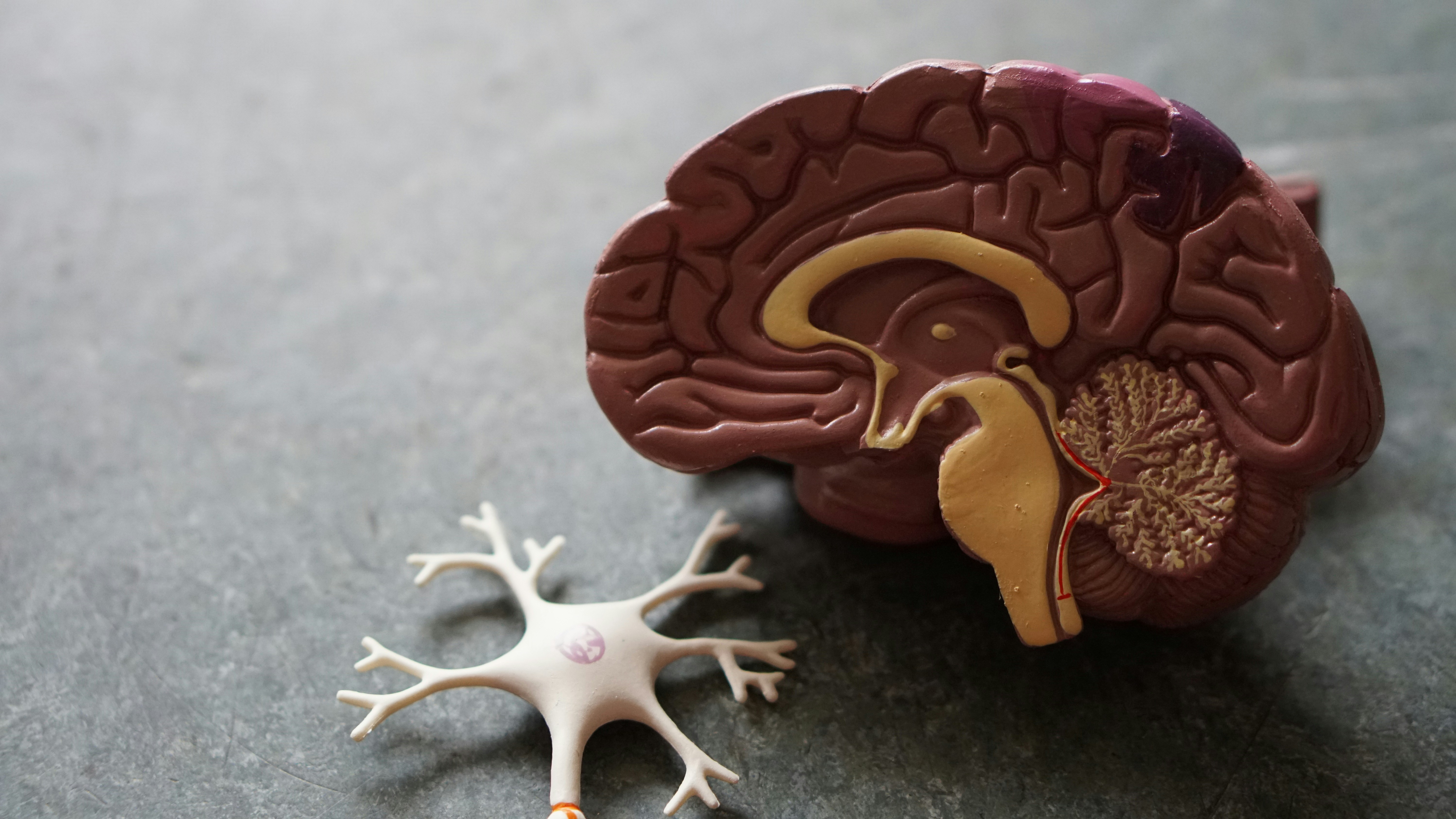
How Your Brain Controls Hunger: The Hidden Neuroscience Behind Appetite and GLP-1

brain control hunger GLP-1 appetite regulation descrição

What if your hunger had very little to do with your stomach — and almost everything to do with your brain?

Most people think eating less is simply a matter of discipline. But modern science suggests something very different: appetite is largely controlled by complex brain mechanisms, not just physical hunger.

At the center of this system is a powerful hormone called GLP-1 (glucagon-like peptide-1), which plays a critical role in how your brain decides when to eat — and when to stop.

The Brain, Not the Stomach, Controls Hunger

Your brain acts as the master regulator of appetite, especially through a region called the hypothalamus.

This area constantly processes signals from your body to determine whether you need energy or should stop eating.

These signals include:

  • Hormones released from the gut
  • Blood sugar levels
  • Nutrient availability
  • Emotional and environmental triggers

This means hunger is not just physical — it is neurological, hormonal, and behavioral at the same time.

GLP-1: The Hormone That Talks to Your Brain

GLP-1 is released in your gut after eating, especially when you consume protein and certain carbohydrates.

But its most important role is not digestion — it’s communication.

GLP-1 sends signals directly to the brain that:

  • Reduce appetite
  • Increase satiety (feeling full)
  • Slow gastric emptying

This creates a natural feedback loop that helps regulate how much food you consume.

The Dopamine Connection: Why You Crave Food

dopamine brain reward food cravings

One of the most overlooked aspects of appetite is the brain’s reward system.

Highly palatable foods can stimulate dopamine, a neurotransmitter linked to pleasure and motivation.

This is why you may feel driven to eat even when you’re not physically hungry.

GLP-1 appears to influence this system by reducing the brain’s reward response to food, making it easier to control cravings.

Why Hunger Signals Sometimes Fail

In modern environments, appetite regulation can become disrupted.

Factors that may interfere with proper hunger signaling include:

  • Ultra-processed foods
  • Chronic stress (elevated cortisol)
  • Poor sleep quality
  • Gut microbiome imbalance

When this happens, the brain may continue to signal hunger even when your body has enough energy.

How This Leads to Belly Fat Accumulation

When appetite signals are dysregulated, it becomes easier to overeat without realizing it.

In some cases, underlying metabolic factors may also contribute to fat accumulation. To better understand this, explore: Slow Metabolism: Hidden Reasons Your Body May Struggle to Burn Fat

Over time, excess energy intake may be stored as fat — particularly in the abdominal region.

This is why managing appetite at the neurological level may be just as important as diet itself.

To understand how GLP-1 supports fat metabolism in more detail, explore this complete guide:

Best Natural GLP-1 Support Supplement for Weight Loss

Simple Ways to Support Natural Appetite Regulation

While this system is complex, some daily habits may help support it naturally:

  • Prioritize protein intake
  • Consume fiber-rich foods
  • Maintain regular sleep patterns
  • Reduce stress levels

These habits may help improve how your brain and body communicate.

You can also explore simple strategies that support fat loss here:

Daily Micro Habits for Belly Fat Loss

gut brain connection metabolism health

Final Thoughts

Hunger is not simply about eating less — it’s about understanding how your brain regulates appetite.

GLP-1 plays a key role in this process, connecting your gut, brain, and metabolism.

By supporting this natural system, it may become easier to manage cravings, control intake, and move toward sustainable fat loss.

Morning Metabolism Routine: 7 Simple Habits That Help Your Body Burn Belly Fat Naturally

Starting your day the right way can make a significant difference in how your body burns fat and manages energy. A simple morning routine can naturally support metabolism and help reduce belly fat over time.


healthy morning routine to boost metabolism


What Is a Morning Metabolism Routine?

A morning metabolism routine includes small habits that help your body wake up, improve digestion, and activate fat-burning processes naturally.


1. Drink Water First Thing in the Morning

Hydration plays a key role in metabolism. Drinking water after waking up helps activate your body and supports digestion.


2. Get Natural Sunlight

Exposure to sunlight in the morning helps regulate your internal clock and supports hormonal balance.


3. Move Your Body

Light exercise such as stretching or walking can help boost circulation and wake up your metabolism.


light morning exercise to improve metabolism


4. Eat a Balanced Breakfast

A healthy breakfast with protein, fiber, and healthy fats can support energy levels and reduce cravings later in the day.


5. Support Your Gut Health

A healthy digestive system plays an important role in metabolism and fat storage. You can learn more about this in this complete guide to natural GLP-1 support.

6. Reduce Sugar Intake Early

Avoiding sugar in the morning helps prevent energy crashes and supports stable metabolism.


7. Practice Consistency

Small daily habits, when done consistently, can lead to long-term improvements in weight balance and overall health.


healthy breakfast that supports metabolism

Creating a simple morning routine does not require drastic changes. By focusing on small, natural habits, you can support your metabolism and gradually improve your body's ability to manage belly fat.

7 Natural Ways to Increase GLP-1 Levels Naturally for Faster Weight Loss

This powerful hormone plays a key role in controlling appetite, improving metabolism, and supporting fat loss.

The good news? You can naturally increase GLP-1 without injections or medications.

natural supplements that help increase GLP-1 levels for weight loss
Natural ingredients that may support GLP-1 levels and appetite control for weight loss.

What Is GLP-1 and Why It Matters

GLP-1 (Glucagon-Like Peptide-1) is released in your gut after eating and helps regulate hunger and blood sugar levels.

👉 Understand exactly how GLP-1 works here

1. Eat More Protein

Protein-rich foods stimulate GLP-1 release and help you feel full longer.

2. Increase Fiber Intake

Soluble fiber slows digestion and enhances GLP-1 activity.

3. Avoid Processed Sugar

Sugar spikes insulin and disrupts natural hormone balance.

4. Drink Green Tea

Green tea compounds may support metabolism and hormone regulation.

5. Get Quality Sleep

Poor sleep reduces GLP-1 production and increases hunger hormones.

6. Exercise Regularly

exercise helping boost GLP-1 levels naturally
Regular exercise can improve metabolism and enhance GLP-1 response naturally.

Physical activity improves hormone sensitivity and metabolic function.

7. Use Natural Supplements

Some natural ingredients can support GLP-1 pathways more effectively.

👉 Discover the best natural GLP-1 supplements for faster weight loss

👉 See the best GLP-1 supplements here

healthy foods that increase GLP-1 hormone naturally
Fiber and protein-rich foods help stimulate GLP-1 production naturally.

For better results, combining these natural strategies with the right supplements can make a significant difference.

👉 See the complete GLP-1 supplements guide here

Final Thoughts

Increasing GLP-1 naturally is one of the smartest ways to control appetite and lose weight without extreme diets.

Consistency is key — small daily habits can lead to powerful long-term results.

Best Natural GLP-1 Supplements (Complete 2026 Guide for Safe Weight Loss & Appetite Control)

This guide provides informational content about natural GLP-1 supplements and their potential role in supporting metabolism and weight management.


natural GLP-1 supplements for weight loss and appetite control
Natural GLP-1 support can help reduce hunger and improve weight loss results.
 

If you’ve been struggling with weight loss — especially stubborn fat, constant hunger, or uncontrollable cravings — you’re not alone.

What most people don’t realize is this:

👉 Weight gain is not just about calories — it’s about hormones.

And one hormone is dominating the conversation right now:

GLP-1 (Glucagon-Like Peptide-1)

It’s the same mechanism behind popular weight loss drugs…
But here’s the truth most websites won’t tell you:

👉 You can support GLP-1 naturally — without injections, extreme side effects, or expensive prescriptions.

healthy foods that support GLP-1 and appetite control

In this complete guide, you’ll discover:


What Is GLP-1 (And Why It Matters More Than You Think)

GLP-1 is a hormone produced in your gut after you eat.

Its job is simple — but powerful:

✔ Signal fullness to your brain
✔ Slow down digestion
✔ Control blood sugar levels
✔ Reduce cravings

👉 In practical terms:

Higher GLP-1 = Less hunger + Better fat loss control

This is exactly why pharmaceutical drugs try to mimic this hormone.

But your body already produces GLP-1 naturally — the key is stimulating it correctly.


Why People Are Turning to Natural GLP-1 Support

Prescription GLP-1 drugs have exploded in popularity — but they come with downsides:

  • High cost
  • Dependency
  • Side effects (nausea, fatigue, digestive issues)

That’s why many people are now looking for:

👉 Natural, sustainable alternatives

Natural GLP-1 support focuses on:

  • Enhancing your body’s own hormone response
  • Improving metabolic efficiency
  • Reducing hunger without forcing it

How Natural GLP-1 Supplements Actually Work

Choosing the right natural supplement can significantly enhance your body’s GLP-1 response and accelerate fat loss.


natural supplement capsules for metabolism and fat loss support

Not all supplements are created equal — some formulas are far more effective than others.

Unlike medications, natural supplements don’t replace GLP-1.

They work by:

✔ Stimulating gut hormones
✔ Improving insulin sensitivity
✔ Slowing gastric emptying
✔ Supporting metabolic pathways

👉 The result is subtle — but powerful:

  • You feel full faster
  • You eat less without forcing it
  • Cravings become manageable

Key Ingredients That Truly Support GLP-1 (Backed by Real Use Cases)

With so many options available, choosing the right supplement can feel overwhelming.

However, some formulas stand out due to their combination of ingredients designed to support appetite control and metabolic balance.

👉 See a top-rated GLP-1 support supplement that’s gaining attention right now

Most content online lists random ingredients.

This is different.

Below are ingredients consistently associated with real-world results:


1. Berberine (Metabolic Regulator)

Often referred to as “natural metabolic support”.

  • Helps regulate blood sugar
  • Improves insulin sensitivity
  • Supports fat metabolism

👉 Many users report reduced cravings within days.


2. Fiber Complex (Glucomannan / Psyllium)

This is non-negotiable.

  • Expands in the stomach → increases satiety
  • Slows digestion → stabilizes glucose
  • Stimulates GLP-1 release naturally

👉 If a supplement lacks fiber support, it’s incomplete.


3. Chromium (Craving Control)

  • Helps reduce sugar cravings
  • Supports glucose metabolism
  • Stabilizes energy levels

4. Green Tea Extract (EGCG)

  • Enhances fat oxidation
  • Supports metabolic rate
  • Provides mild, clean energy

5. Probiotics (Gut-Hormone Connection)

  • Improve gut health
  • Support hormone signaling
  • Enhance GLP-1 secretion

👉 Gut health = hormone health


What Separates a High-Quality GLP-1 Supplement From a Weak One

This is where most people make mistakes.

A strong formula:

✔ Combines multiple active ingredients
✔ Uses clinically relevant dosages
✔ Has synergy between compounds
✔ Supports metabolism + appetite

A weak product:

❌ Uses “proprietary blends”
❌ Hides dosages
❌ Focuses only on stimulants
❌ Promises unrealistic results


Red Flags You Should Never Ignore

Avoid any supplement that:

  • Claims “instant weight loss”
  • Has no transparent label
  • Relies heavily on caffeine
  • Has no real ingredient strategy

👉 These are designed to sell — not to work.


Who Should Consider Natural GLP-1 Supplements

These supplements tend to work best for:

✔ People over 30 (slower metabolism)
✔ Those struggling with constant hunger
✔ Individuals with sugar cravings
✔ Anyone avoiding prescription drugs


Who Should Be Careful

  • Pregnant or breastfeeding women
  • People on medication
  • Individuals with medical conditions

👉 Always consult a professional if unsure.


How to Use GLP-1 Supplements for Maximum Results

Supplements amplify results — they don’t replace habits.

Here’s a simple strategy:

1. Focus on Protein + Fiber

Keeps you full longer and stabilizes hormones

2. Stay Consistent

Natural compounds build effect over time

3. Hydrate Properly

Essential for digestion and metabolism

4. Sleep 6–8 Hours

Hormonal balance depends on recovery


Internal Deep Dive (Recommended Reading)

To fully understand the strategy, explore:

👉 Learn the full mechanism here:
/2026/03/how-glp-1-works-weight-loss.html

👉 Discover complementary fat-burning strategies:
/2026/03/natural-metabolism-boosters-guide.html

👉 See a practical supplement breakdown:
/2026/03/best-glp-1-supplement-review.html


Realistic Results (What to Expect)

Let’s be honest — this is not magic.

But it works when done right.

Typical progression:

  • Days 3–7 → Reduced appetite
  • Week 2 → Better energy control
  • Weeks 3–6 → Visible fat loss

👉 Consistency always wins.


Expert Insight (Experience-Based)

After analyzing multiple supplement formulations and real user behavior patterns, one thing becomes clear:

👉 The best results come from stacked strategies, not single ingredients.

People who combine:

  • Metabolic support (berberine)
  • Satiety support (fiber)
  • Hormonal balance (gut health)

… consistently experience better appetite control and more sustainable fat loss.


Frequently Asked Questions  

Do natural GLP-1 supplements really work?

Yes — but they work differently from drugs.
They support your body’s natural processes instead of forcing hormonal changes.


How long does it take to see results?

Most users notice appetite changes within 1–2 weeks.


Can I use them without diet changes?

You can — but results will be significantly slower.


Are they safe?

Generally yes, when using high-quality products and proper dosages.


Final Verdict

Natural GLP-1 supplements are one of the most intelligent approaches to weight loss today.

They don’t fight your body — they work with it.

If used correctly, they can help you:

✔ Control hunger naturally
✔ Reduce cravings
✔ Improve metabolism
✔ Lose weight sustainably


Conclusion

The real shift in weight loss isn’t about eating less.

It’s about understanding your body — and using tools that support it intelligently.

GLP-1 is one of the most powerful mechanisms available.

And now, you know how to use it — naturally.

How to Choose the Right Natural GLP-1 Supplement

Choosing the right supplement involves understanding ingredients, quality, and how they support metabolic function. Not all supplements are created equal, and selecting high-quality options may improve results.

When combined with healthy habits, natural GLP-1 supplements may support appetite regulation and long-term weight management.

Bottom Line:

Not all supplements are created equal. Choosing a well-formulated option may make a noticeable difference in how your body responds.

👉 Check availability of a highly recommended GLP-1 support formula

Frequently Asked Questions

Are natural GLP-1 supplements safe?

Most natural supplements are considered safe when used correctly, but it is important to follow recommended guidelines.

Do GLP-1 supplements work without diet changes?

They may help support appetite control, but better results are typically achieved when combined with healthy eating and lifestyle habits.

Why Belly Fat Is So Hard to Lose (Science-Based Guide)

 If you’ve ever tried to lose belly fat, you already know how frustrating it can be.

You eat better. You exercise. You even try popular diets… and still, that stubborn fat around your stomach refuses to go away.

The truth is, belly fat is different. And unless you understand why, you’ll keep wasting time on strategies that don’t work.

👉 Discover how metabolism and natural GLP-1 support may influence stubborn belly fat

In this guide, you’ll discover the real, science-based reasons behind stubborn belly fat — and what actually works to get rid of it.

Belly fat problem and weight loss frustration
Stubborn belly fat is one of the hardest types of fat to lose

What Is Belly Fat?

Not all fat in your body is the same.

There are two main types of belly fat:

  • Subcutaneous fat: the soft fat under your skin
  • Visceral fat: the deeper fat that surrounds your organs

Visceral fat is the dangerous one.

It’s strongly linked to:

  • Heart disease
  • Type 2 diabetes
  • Hormonal imbalance

And unfortunately… it’s also the hardest to lose.


Why Belly Fat Is So Stubborn

To better understand how metabolism impacts fat loss, read this guide on slow metabolism and its hidden effects.

You can also explore simple daily habits that may help reduce belly fat in this article on micro habits for fat loss.

The Role of Hormones in Belly Fat Storage

Hormones such as cortisol and insulin play a significant role in how the body stores fat, particularly in the abdominal area. Managing stress and maintaining stable blood sugar levels may support fat loss efforts.

1. Hormones Control Fat Storage

One of the key hormones involved in fat loss is GLP-1, which plays a major role in reducing appetite and improving metabolism. If you want to understand how to naturally support this hormone, check this complete guide:
👉 How to Boost GLP-1 Naturally for Weight Loss

Your body is not just about calories — hormones play a huge role.

High levels of cortisol (stress hormone) can lead to fat storage in the belly area.

Also:

  • Insulin resistance makes fat loss harder
  • Low testosterone (in men) increases belly fat
  • Estrogen imbalance (in women) affects fat distribution

2. Poor Sleep Slows Fat Burning

Lack of sleep disrupts your metabolism.

When you don’t sleep well:

  • Your hunger hormones increase
  • Your body stores more fat
  • Cravings for sugar go up

This alone can completely block fat loss.


3. Age Makes It Harder

As you get older:

  • Your metabolism slows down
  • Muscle mass decreases
  • Fat storage increases

That’s why many people notice belly fat getting worse after 30 or 40.


4. Diet Mistakes People Don’t Realize

Even people trying to lose weight often make these mistakes:

  • Eating “healthy” but high-calorie foods
  • Consuming too much sugar
  • Not enough protein
  • Drinking calories (sodas, juices)

These habits silently block fat loss.


What Actually Works (Science-Based)

How to lose belly fat with diet and exercise
A combination of diet and exercise is key to burning belly fat

Now the part that really matters.

✔ 1. Calorie Deficit (But Smart)

You need to burn more calories than you consume.

But not extreme dieting — consistency is key.


✔ 2. Strength Training + Cardio

The best combination is:

  • Weight training (to build muscle)
  • Cardio (to burn calories)

Muscle helps your body burn fat even at rest.


✔ 3. High-Protein Diet

Protein helps:

  • Reduce hunger
  • Preserve muscle
  • Boost metabolism

✔ 4. Sleep and Stress Control

Without this, nothing else works properly.

Aim for:

  • 7–8 hours of sleep
  • Lower stress levels

Can Supplements Help?

Here’s the honest answer:

Supplements are NOT magic.

But…

They can support your results when combined with the right strategy.

Some natural formulas may help with:

  • Metabolism support
  • Appetite control
  • Energy levels

If you want to explore a practical solution that supports metabolism, appetite control, and energy levels, you can learn more here:

👉 Check the official website to see how this formula works in practice

What Makes Belly Fat More Resistant to Loss?

Belly fat is often influenced by a combination of hormonal balance, metabolic rate, and lifestyle factors. These elements can make abdominal fat more resistant compared to other areas of the body.

Understanding these mechanisms may help individuals adopt more effective strategies for long-term fat loss and metabolic improvement.

Frequently Asked Questions

Why is belly fat harder to lose than other fat?

It is often linked to hormones, stress levels, and metabolic activity, which can affect how the body stores and burns fat.

Can improving metabolism help reduce belly fat?

Yes, supporting metabolism through diet, sleep, and physical activity may help improve fat-burning efficiency.

Daily Micro Habits That Boost Metabolism at Night and Support Belly Fat Loss Naturally

Most weight loss advice focuses on diet and exercise during the day.

However, what many people overlook is how night habits influence metabolism and the body's ability to burn fat during sleep.

During the night, your body regulates hormones, repairs tissues, and controls energy balance through the circadian rhythm.

Optimizing your evening routine may help support metabolism at night and improve overall fat-burning efficiency.

👉 Learn how natural metabolic support may work during sleep

Why Night Habits Influence Metabolism

The human body follows a natural internal clock called the circadian rhythm.

This biological clock regulates many important functions such as:

  • sleep cycles
  • hormone release
  • digestion
  • metabolism

When your daily routine supports this rhythm, the body tends to regulate energy more efficiently.

However, poor evening habits can disrupt this natural rhythm.

Common Disruptions

  • irregular sleep schedules
  • excessive screen exposure
  • late heavy meals
  • high stress levels

Over time, these disruptions may influence metabolic balance and energy regulation.

Habit 1: Avoid Late Heavy Meals to Support Night Metabolism

healthy night routine supporting metabolism and belly fat balance

Eating large meals right before sleep may affect digestion and metabolic efficiency.

When the body is preparing for rest, digestive processes naturally slow down.

Potential Effects

  • digestive discomfort
  • poor sleep quality
  • unstable blood sugar levels

A practical approach is to finish dinner 2–3 hours before bedtime.

This allows the body to complete digestion before entering deep sleep cycles.

Habit 2: Reduce Evening Sugar Intake

Sugary snacks in the evening may cause rapid fluctuations in blood sugar levels.

These fluctuations may influence energy balance and hunger signals.

Foods That May Spike Sugar

  • sweets
  • sugary drinks
  • desserts
  • refined carbohydrates

Better Alternatives

  • protein
  • fiber
  • healthy fats

These choices may support more stable energy levels overnight.

Habit 3: Reduce Blue Light to Improve Sleep and Metabolism

👉 Learn how supporting GLP-1 may improve metabolism overnight

Blue light emitted from electronic devices can interfere with the body's natural sleep signals.

Exposure to screens close to bedtime may reduce the production of melatonin.

Metabolic Impact

  • appetite regulation
  • insulin sensitivity
  • energy balance

Reducing screen exposure 30–60 minutes before sleep may support better sleep quality.

Habit 4: Create a Consistent Sleep Schedule

sleep quality supporting metabolism and metabolic balance

Going to sleep at consistent times helps regulate the body's circadian rhythm.

Consistent sleep routines may support:

  • improved sleep quality
  • hormone balance
  • metabolic stability

Adults generally benefit from 7–9 hours of sleep per night.

Habit 5: Practice Evening Relaxation

Stress can influence metabolic health through hormonal pathways.

High levels of cortisol may affect appetite and fat storage.

Hormonal balance is key for fat loss. Learn more here:
👉 How to Boost GLP-1 Naturally

Relaxation Techniques

  • meditation
  • breathing exercises
  • light stretching
  • reading

These activities help signal the body that it is time to rest.

Habit 6: Stay Lightly Hydrated

evening relaxation habits supporting healthy metabolism

Hydration supports digestion, circulation, and metabolism.

However, avoid large fluid intake right before sleep.

A balanced approach is maintaining hydration earlier in the evening.

Habit 7: Support Natural Sleep Environment

Your bedroom environment plays an important role in sleep quality.

Ideal Conditions

  • a cool room temperature
  • minimal noise
  • low light levels
  • comfortable bedding

Deep sleep is essential for metabolic recovery and hormonal balance.

How Night Habits Affect Overall Metabolic Balance

  • nutrition
  • sleep
  • physical activity
  • stress levels
  • daily habits

Building sustainable routines supports long-term results.

Morning and evening habits together create a full 24-hour metabolic cycle.

Final Thoughts

Healthy habits and sleep routines play a key role in metabolic balance.

👉 Click here to explore how this natural GLP-1 support works

This should complement healthy habits, not replace them.

By improving your night habits, you can naturally support metabolism at night and create a more efficient fat-burning environment while you sleep.

Gut Health and Belly Fat: How Your Digestive System May Affect Metabolism and Weight Loss

 Many people focus only on diet and exercise when trying to lose belly fat. However, one important factor is often ignored: gut health.


Your digestive system plays a key role in metabolism, nutrient absorption, and even fat storage. When your gut is out of balance, it may become harder to lose weight naturally.


gut health microbiome and digestive system illustration


What Is Gut Health?


Gut health refers to the balance of bacteria in your digestive system. A healthy gut contains beneficial bacteria that help break down food, absorb nutrients, and support overall health.


How Gut Health Affects Belly Fat

How Gut Health Influences Metabolism

Your digestive system plays a key role in how your body processes nutrients, regulates energy, and stores fat. An imbalanced gut may affect metabolic efficiency and contribute to fat accumulation.

To better understand how metabolism impacts fat burning, read this guide on slow metabolism and hidden causes of fat gain.

You can also explore daily strategies that may support fat loss in this article about micro habits for belly fat loss.

The Role of Gut Bacteria in Fat Storage

The balance of bacteria in your gut, known as the microbiome, may influence how your body stores fat and regulates appetite. Supporting gut health may improve metabolic balance over time.


An unhealthy gut can lead to inflammation, slow metabolism, and increased fat storage, especially around the belly.


Some natural approaches that support metabolic balance are also discussed in this complete guide to natural GLP-1 support.


belly fat and poor digestion concept


The Gut–Metabolism Connection


Your gut directly influences metabolism by affecting how your body processes food and stores energy. A balanced gut can improve metabolic efficiency and support healthy weight management.


Signs Your Gut May Be Affecting Your Weight


Some common signs include:


- Bloating  

- Frequent fatigue  

- Difficulty losing weight  

- Strong sugar cravings  


Natural Ways to Improve Gut Health


You can support your gut health naturally by:


- Eating more fiber-rich foods  

- Including probiotics in your diet  

- Drinking enough water  

- Reducing sugar intake  

- Getting enough sleep  


healthy foods that improve gut health naturally

Improving gut health is a natural and sustainable way to support metabolism and reduce belly fat over time. Small daily habits can make a big difference in how your body functions.

Why Gut Health Matters for Long-Term Weight Loss

Improving gut health may support better digestion, hormone balance, and metabolic efficiency. Over time, these factors can contribute to sustainable weight management.

Frequently Asked Questions

Can gut health affect belly fat?

Yes, the gut microbiome may influence how the body stores fat and regulates metabolism.

How can I improve gut health naturally?

Eating fiber-rich foods, staying hydrated, and maintaining a balanced diet may support gut health.

Slow Metabolism: Hidden Reasons Your Body May Struggle to Burn Fat

Many people believe that weight gain is only related to diet and exercise. However, a slow metabolism can make it harder for your body to burn fat efficiently.


Understanding the hidden causes behind a slow metabolism is essential for improving your body's natural ability to manage weight.


slow metabolism and low energy concept


What Is a Slow Metabolism?

A slow metabolism means your body burns fewer calories at rest. This can lead to fat accumulation, especially around the abdominal area.


Hidden Reasons Your Body May Struggle to Burn Fat


There are several factors that may affect your metabolism without you realizing it:


1. Poor Gut Health

An unbalanced digestive system can interfere with nutrient absorption and fat regulation.


2. Lack of Sleep

Sleep plays a key role in hormone regulation. Poor sleep can slow down metabolism.


3. High Stress Levels

Chronic stress increases cortisol, which may contribute to fat storage.


stress and poor sleep affecting metabolism

4. Low Physical Activity

A sedentary lifestyle reduces calorie burning and metabolic efficiency.


5. Hormonal Imbalance

Hormones influence how your body stores and uses energy.


Some natural approaches that support metabolic balance are explained in this complete guide to natural GLP-1 support.


Natural Ways to Support a Healthy Metabolism


You can improve your metabolism by:


- Staying active daily  

- Eating balanced meals  

- Getting enough sleep  

- Managing stress levels  

- Supporting gut health  


healthy habits that improve metabolism

Improving metabolism is not about quick fixes. Small and consistent lifestyle changes can help your body function more efficiently over time.

Natural GLP-1 Supplements vs GLP-1 Medications: What’s the Difference for Weight Loss?

GLP-1 has become a popular topic in weight management discussions. Many people are now exploring both medications and natural approaches that may support similar metabolic pathways.


Understanding the differences between these options is essential for making informed decisions.


glp-1 hormone and metabolism concept

What Is GLP-1?


GLP-1 is a hormone involved in regulating appetite, blood sugar levels, and digestion. It plays a role in how your body manages energy and fat storage.


GLP-1 Medications


GLP-1 medications are designed to mimic the effects of this hormone. They are often used under medical supervision to support weight management and metabolic control.


Natural GLP-1 Supplements


Natural supplements aim to support the body's own processes related to metabolism and appetite regulation.


You can explore more about natural approaches in this complete guide to natural GLP-1 support.


glp-1 medications vs natural supplements comparison


Key Differences


1. Approach  

Medications act directly on the body, while natural supplements support existing functions.


For those comparing natural supplements and medications, the decision often comes down to personal goals and preferences.

Some individuals prefer starting with natural approaches before considering more aggressive options.

👉 Explore a natural GLP-1 support alternative many people are considering

2. Accessibility  

Natural options are generally more accessible.


3. Lifestyle Integration  

Natural approaches often involve diet and daily habits.


Things to Consider


- Individual health conditions  

- Professional guidance  

- Long-term sustainability  


glp-1 medications vs natural supplements comparison


Both approaches have their place depending on personal goals and health needs. A balanced and informed perspective is important when considering weight management strategies.

Conclusion:

Both approaches have their place, but for those looking for a more gradual and natural path, certain supplements may offer a supportive starting point.

👉 Discover a natural GLP-1 support option that’s becoming increasingly popular

Do Natural GLP-1 Supplements Really Work? What Science Suggests for Weight Loss

This article provides informational insights based on current understanding of natural GLP-1 support and its potential effects on weight management.

 Natural GLP-1 supplements have gained attention as more people look for alternative ways to support weight management. But do they really work?


Understanding how these supplements interact with your body can help you make more informed decisions.


natural glp-1 supplements for metabolism support


What Are Natural GLP-1 Supplements?


Natural GLP-1 supplements are products designed to support the body's natural metabolic processes, including appetite regulation and digestion.


How They May Support Weight Loss


These supplements may help by:


What Science Says About GLP-1 and Weight Loss

GLP-1 is a hormone linked to appetite control and blood sugar regulation. Some natural compounds may support its activity, but results can vary depending on lifestyle and individual factors.

So, do these supplements actually work?

The answer may depend on consistency, lifestyle, and choosing a formula designed to support key metabolic pathways.

👉 Take a look at one option people are using to support their metabolism naturally

Limitations of Natural GLP-1 Supplements

While some supplements may support metabolic health, they are not a replacement for healthy habits. Diet, sleep, and lifestyle remain essential factors for effective weight management.

You can also learn how to stimulate GLP-1 naturally in this article about increasing GLP-1 naturally.

- Supporting appetite control  

- Promoting better digestion  

- Helping maintain balanced energy levels  


Some natural strategies are explained in this complete guide to natural GLP-1 support.


do glp-1 supplements work for weight loss


What Science Suggests


Research on natural approaches is still evolving. Results may vary depending on lifestyle, diet, and individual metabolism.


What to Consider Before Using


- Personal health conditions  

- Consistency of use  

- Overall lifestyle habits  


balanced lifestyle for natural weight loss


Final Thoughts


Natural GLP-1 supplements may support weight management as part of a broader healthy lifestyle. Sustainable habits remain the key to long-term results.

Are Natural Supplements Enough for Weight Loss?

Natural supplements may support weight loss efforts, but long-term results depend on consistent habits and overall metabolic health.

Frequently Asked Questions

Final Thought:

While no supplement is a magic solution, the right combination of habits and targeted support may improve your results over time.

👉 See one of the most popular natural GLP-1 support options available today

Do GLP-1 supplements work for everyone?

Results may vary depending on individual metabolism and lifestyle factors.

Are natural GLP-1 supplements safe?

Most are considered safe when used correctly, but it is important to follow recommended guidelines.

How to Increase GLP-1 Naturally for Weight Loss

GLP-1 is a key hormone involved in appetite control and metabolism. Supporting its natural production can be an effective way to help your body manage weight.


Instead of relying only on external solutions, many people are now focusing on natural ways to improve metabolic balance.


glp-1 hormone and metabolism function


What Is GLP-1 and Why It Matters


GLP-1 helps regulate hunger, digestion, and blood sugar levels. It plays an important role in how your body stores and uses energy.


How to Increase GLP-1 Naturally


1. Eat More Fiber  

Fiber helps support digestion and may influence hormone regulation.


2. Include Protein in Your Diet  

Protein can help improve satiety and support metabolic function.


3. Support Gut Health  

A healthy gut plays a key role in hormone balance and metabolism.


You can learn more about this in this complete guide to natural GLP-1 support.

To explore the best options available, check out this complete guide on natural GLP-1 support supplements.

You can also learn more about how metabolism affects fat burning in this article about slow metabolism and fat loss challenges.


foods that help increase glp-1 naturally


4. Get Quality Sleep  

Sleep is essential for hormone regulation and metabolic health.


5. Stay Physically Active  

Regular movement supports overall metabolic efficiency.


6. Manage Stress  

Lower stress levels help maintain hormonal balance.


healthy lifestyle for metabolism and weight balance


Final Thoughts

Increasing GLP-1 naturally is about consistency and balance. Simple daily habits can support your body's natural processes and contribute to long-term weight management.

Why Increasing GLP-1 Naturally Matters for Weight Loss

GLP-1 is a key hormone involved in appetite regulation and blood sugar control. Naturally supporting its production may help reduce cravings and improve metabolic efficiency over time.

By combining proper nutrition, lifestyle habits, and natural strategies, individuals may enhance their body's ability to regulate hunger and support sustainable weight loss.

Frequently Asked Questions

What is GLP-1 and why is it important?

GLP-1 is a hormone that helps control appetite and blood sugar levels, playing a role in weight management.

Can I increase GLP-1 naturally without medication?

Yes, certain foods, habits, and supplements may help support natural GLP-1 production.